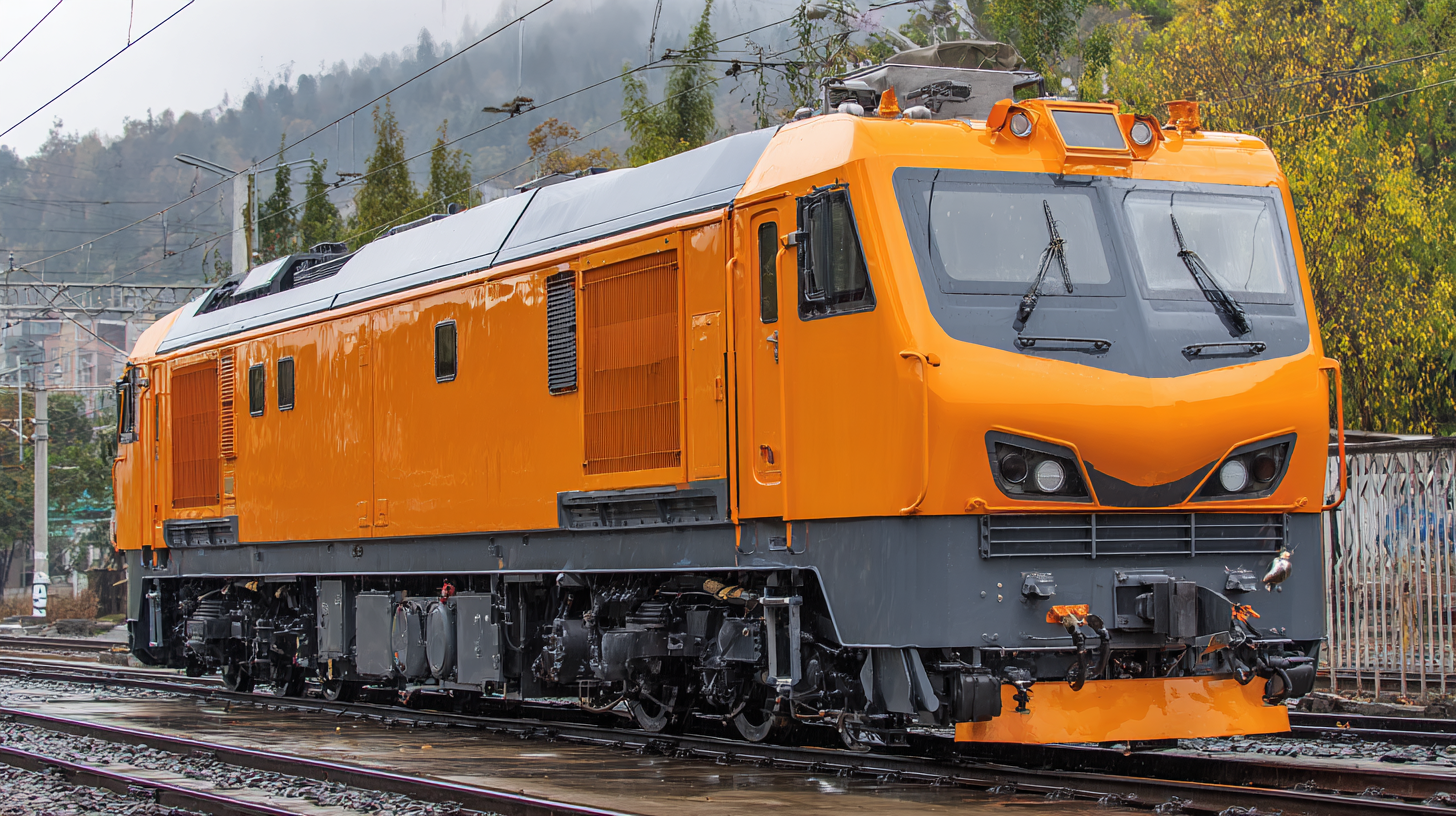
You know, as the railway world keeps changing and moving forward, it’s pretty clear just how important high-performance Locomotive Traction Inverters have become. I recently came across a market report by Global Market Insights — and it basically says that the traction inverter market is expected to grow by more than 8% annually from 2021 to 2027. That growth? A lot of it is thanks to advancements in electric propulsion tech and the boom in energy-efficient locomotives. At Bangzhao Electric Co., Ltd., we’ve been right there in the thick of things, pushing the boundaries with innovative stuff like lithium battery storage and super-efficient inverters that are perfect for today’s modern trains. Honestly, our decade of experience and dedication to quality really put us in a good spot to deliver systems that boost both performance and reliability—helping to shape a more sustainable future for rail transport.
Innovative Applications of Traction Inverters in Modern Locomotive Systems
You know, with how quickly railway tech is changing these days, traction inverters are really taking the spotlight, especially in modern locomotives. Lately, there’s been a big push towards electrification — I read that the market for railway traction inverters might hit around 8.34 billion dollars by 2034, growing at about 5.42% annually. That’s mostly because there’s more money pouring into electric rail infrastructure, and folks are moving away from old-school diesel trains toward greener, more sustainable options.
What’s really exciting is how new applications for traction inverters are helping make trains more efficient and eco-friendly. One of the coolest developments is transitioning to hybrid electric engines, which use batteries to store energy — this cuts down a lot on power use during trips. For example, advances in power electronics, like using high-Power Converters instead of bulky on-board transformers, are about to change the game for power management in trains. These upgrades don’t just boost how efficiently electricity is used; they also help cut down carbon emissions, especially on routes that aren't fully electrified, where alternative drives are actually being embraced. Overall, shifting towards high-efficiency traction systems feels like a pretty important step for making railways more sustainable in the future.
Revolutionizing Rail Power: In-Depth Technical Specifications of the Best Locomotive Traction Inverter
| Specification | Value |
| Input Voltage Range | 550V - 3000V DC |
| Output Voltage | 0 - 1000V AC |
| Continuous Current Rating | 1000A |
| Peak Current Rating | 2000A |
| Efficiency | > 95% |
| Cooling Method | Liquid Cooling |
| Weight | 450 kg |
| Dimensions (mm) | 1200 x 800 x 600 |
| Control Method | Field Oriented Control (FOC) |
| Communication Protocols | CAN, RS-485, Ethernet |
Performance Enhancements Through Advanced Inverter Technology in Rail Transport
When it comes to modern rail travel, you can’t ignore how much advanced inverter tech is making a real difference in performance and going greener. Funny enough, the market for railway traction inverters is expected to hit around $8.34 billion by 2034—and that’s with an annual growth rate of about 5.42%. It makes sense, really—more and more railways are going electric, which means they need smarter, more reliable power systems. These inverters are pretty much the brain behind converting electrical energy, helping locomotives manage power better, cut down energy waste, and ultimately save money while being kinder to the environment.
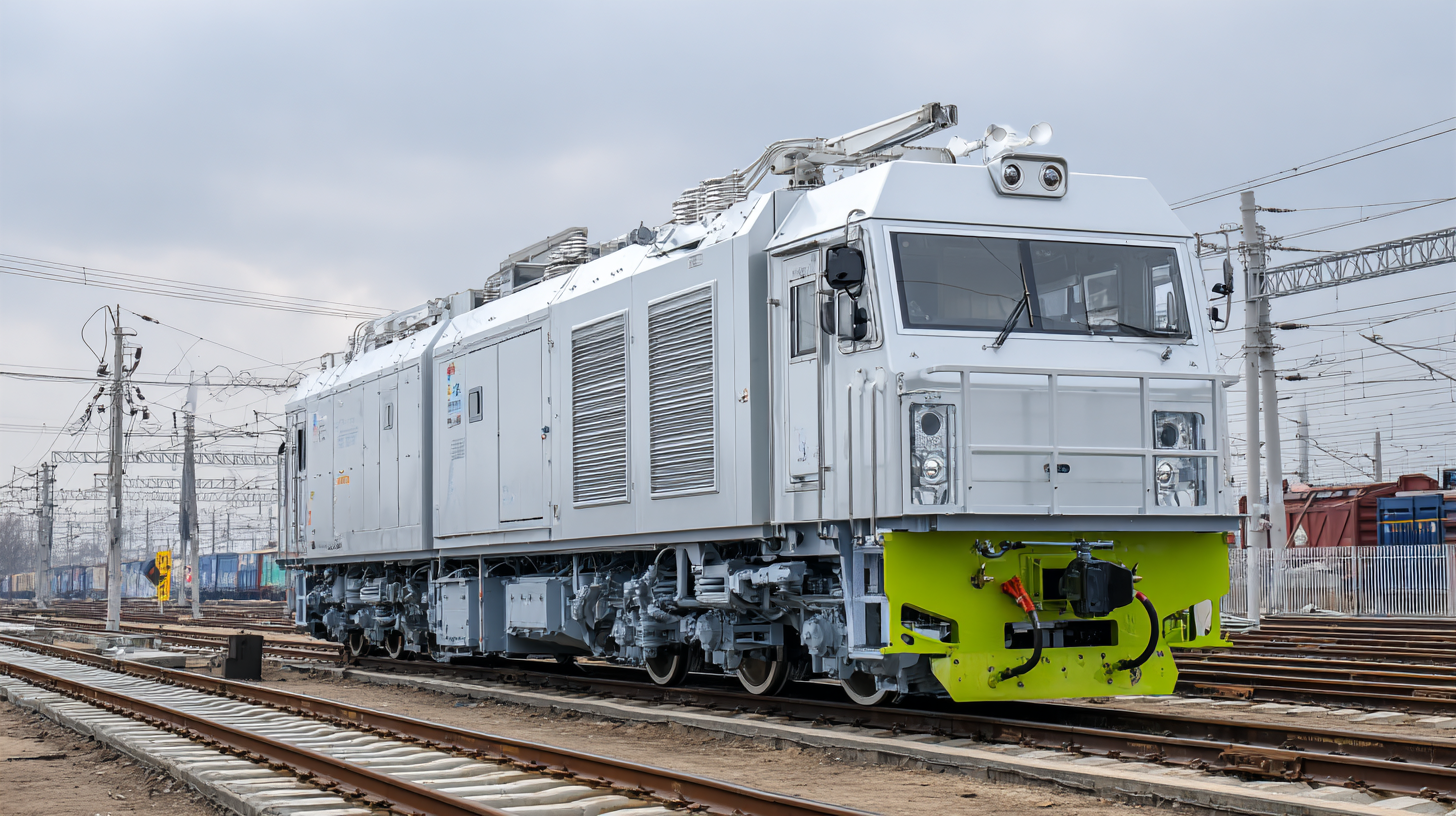
Lately, there’s been some pretty exciting collaborations popping up, highlighting how innovation is driving the industry forward. Lots of companies are now throwing their hat into the ring with hybrid renewable setups, mixing solar and wind tech. Combining these clean energy sources with high-tech traction inverters doesn’t just solve some of those energy supply headaches—it actually opens up brand-new possibilities for making rail travel more sustainable. By tapping into the latest tech, the industry’s not only boosting performance but also taking solid steps toward a greener, more eco-friendly future for trains.
Case Studies: Successful Integration of Traction Inverters in Various Rail Networks
You know, adding traction inverters to railway systems has really changed how we think about powering trains. Lately, there have been some pretty exciting case studies showing how advanced traction inverters are making a difference, especially when it comes to hybrid setups that use renewable energy.
For example, trains running on a mix of solar and wind power have started to show some pretty promising results — they're running more efficiently and, at the same time, helping out our planet. These systems don’t just rely on renewable sources; they also use some pretty cool tech to manage power better, which is a huge step forward for sustainable rail travel.
One thing that’s caught my eye is these AI-powered power quality control systems. They’re basically smart solutions that make sure the energy flow is spot on. Plus, with technology like single-phase PV-UPQC, these systems can really optimize how they perform, using clever algorithms to handle issues related to energy quality.
On top of that, improved power conversion strategies — like grid-connected converters with maximum power point tracking — are actually able to make good use of energy recovered during braking. All of these innovations together help rail networks cut down costs and boost overall power quality, pushing us closer to a future of greener, more efficient transportation. It’s really exciting to see how all these tech pieces are coming together to make rail travel more sustainable.
Comparative Analysis of Traction Inverter Models in Commercial Rail Applications
You know, the traction inverter really is a pretty key player when it comes to powering modern trains. It's the component that converts DC into AC power, which then drives the traction motors. When we looked into the top models used in commercial rail, we noticed some pretty big differences—things like efficiency, weight, and how well they handle heat. Recently, industry reports have been buzzing about how using silicon carbide (SiC) tech in these inverters can boost efficiency by up to 10% compared to the older silicon-based ones. Plus, with this new tech, manufacturers are able to make these inverters lighter, which is a big deal because it helps freight trains carry more without adding extra weight.
When choosing a traction inverter, it’s super important to think about more than just how well it performs. Things like overall lifespan costs really matter. For procurement folks out there, I’d say it’s smart to focus on models that have high reliability ratings and solid thermal management—these features help the system last longer and cut down on maintenance times. Also, taking a look at actual operational data from the past can give you a pretty good idea of how these inverters will hold up under different environmental conditions. That way, you can make smarter decisions and get the most out of your rail assets.
As for the big players in the market, companies like Siemens and GE are really leading the way with innovative solutions that fit a bunch of different rail needs. Their traction inverters are often measured against things like power density and efficiency, and they’re achieving efficiency levels of over 95% under ideal conditions. That’s a huge boost for cutting costs and making rail networks more eco-friendly at the same time.
Future Trends: The Role of Digitalization in Locomotive Power Systems
These days, bringing digital tech into locomotive power systems is a pretty big deal for the rail industry. It’s like we’re stepping into a new era, especially with cool stuff like artificial intelligence (AI) and machine learning making their way into the mix. Recent reports highlight how the Optimal Power Flow (OPF) problem is super important—it basically helps power generators run in the most cost-effective way possible. This shift is really crucial since the industry’s relying more and more on renewable energy sources. As our power grids evolve, digital solutions are not just making things more reliable but also boosting efficiency—especially when it comes to locomotive traction inverters, which are a key part of the whole system.
And let’s not forget how Industry 4.0 and the push for electric transportation are totally changing the game for power electronics design. People are experimenting with exciting new approaches, like using large language models, to make designing circuits for trains and electric vehicles way easier and more innovative. These tech advancements don’t just improve performance—they’re also a big step toward a greener, more sustainable future. The bottom line? Embracing these digital and smart tech solutions is pretty much essential if the rail industry wants to keep up with growing energy demands while limiting their environmental footprint. It’s clear that integrating these smart technologies everywhere—especially in locomotive systems—is the way forward.”
Revolutionizing Rail Power: Locomotive Traction Inverter Performance
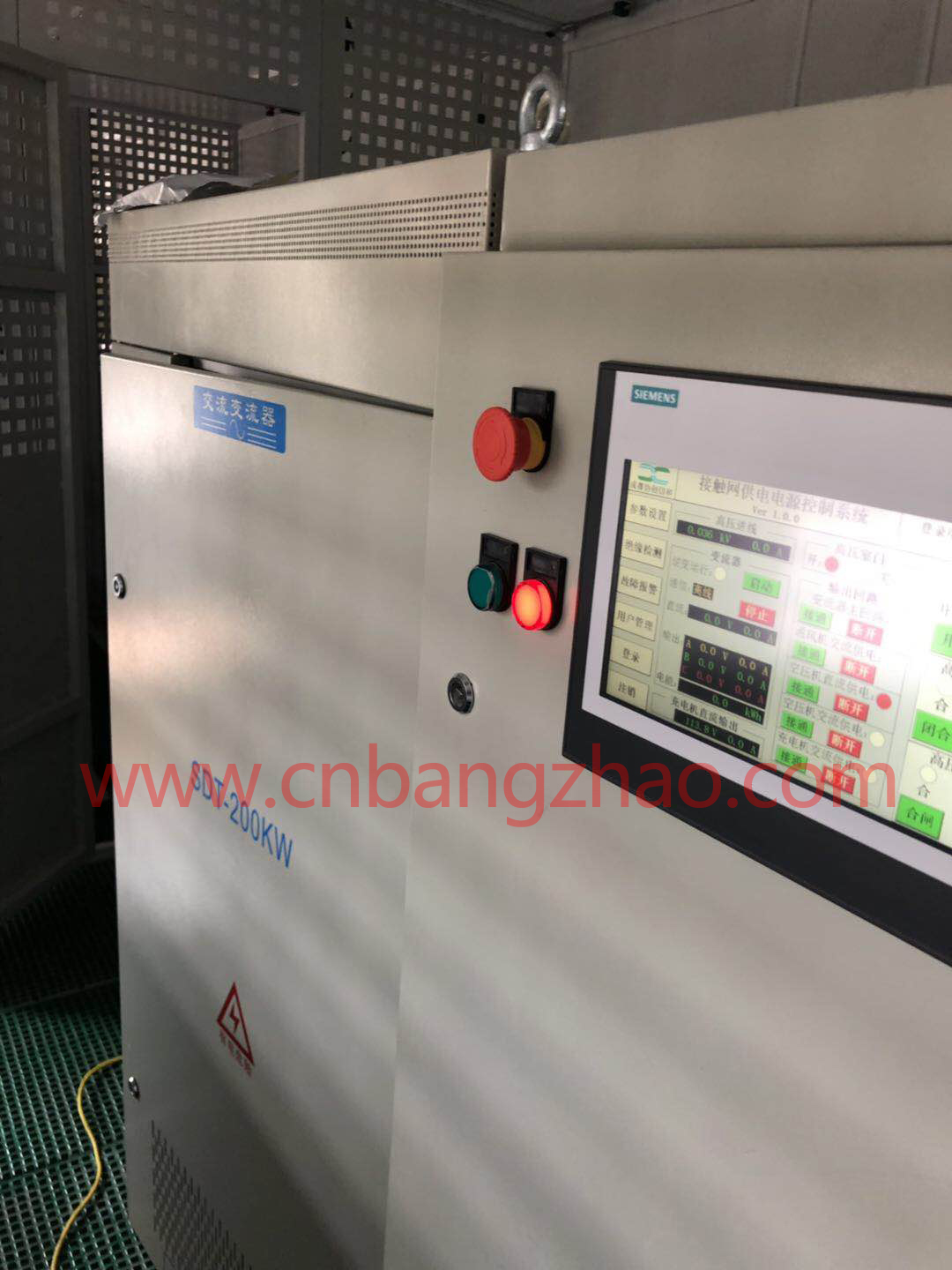
This chart illustrates the key technical specifications of modern locomotive traction inverters, highlighting their efficiency, weight, cooling capacity, and operating temperature. As the rail industry embraces digitalization, these performance metrics will be crucial for future enhancements in locomotive power systems.
Challenges and Solutions in Implementing New Traction Inverter Technologies
Moving towards modern traction inverter tech for trains is super exciting, but it definitely comes with its fair share of hurdles that engineers and manufacturers need to work through. One big challenge is fitting these new inverter designs into the old railway infrastructure—many times, it means a lot of retrofitting, which can end up being pretty time-consuming and expensive. On top of that, making sure all the components from different suppliers work well together isn’t always straightforward, so industry folks are really pushing for standard protocols and more collaboration to make everything smoother.
Another thing that’s tricky is ensuring these inverters are efficient and reliable, no matter what kind of environment they’re operating in. Whether it’s extreme heat, freezing cold, or really humid conditions, the inverters need to perform flawlessly. That means tons of testing and development to make sure they’re durable and keep working well over time. Managing heat is a big part of this—overheating can cause system failures and safety issues, so researchers are constantly exploring new cooling tech to boost lifespan and reliability. As we tackle these challenges with innovative solutions, the rail industry is gearing up for a future that’s not just more efficient but also more sustainable, thanks to these advanced traction inverter systems.
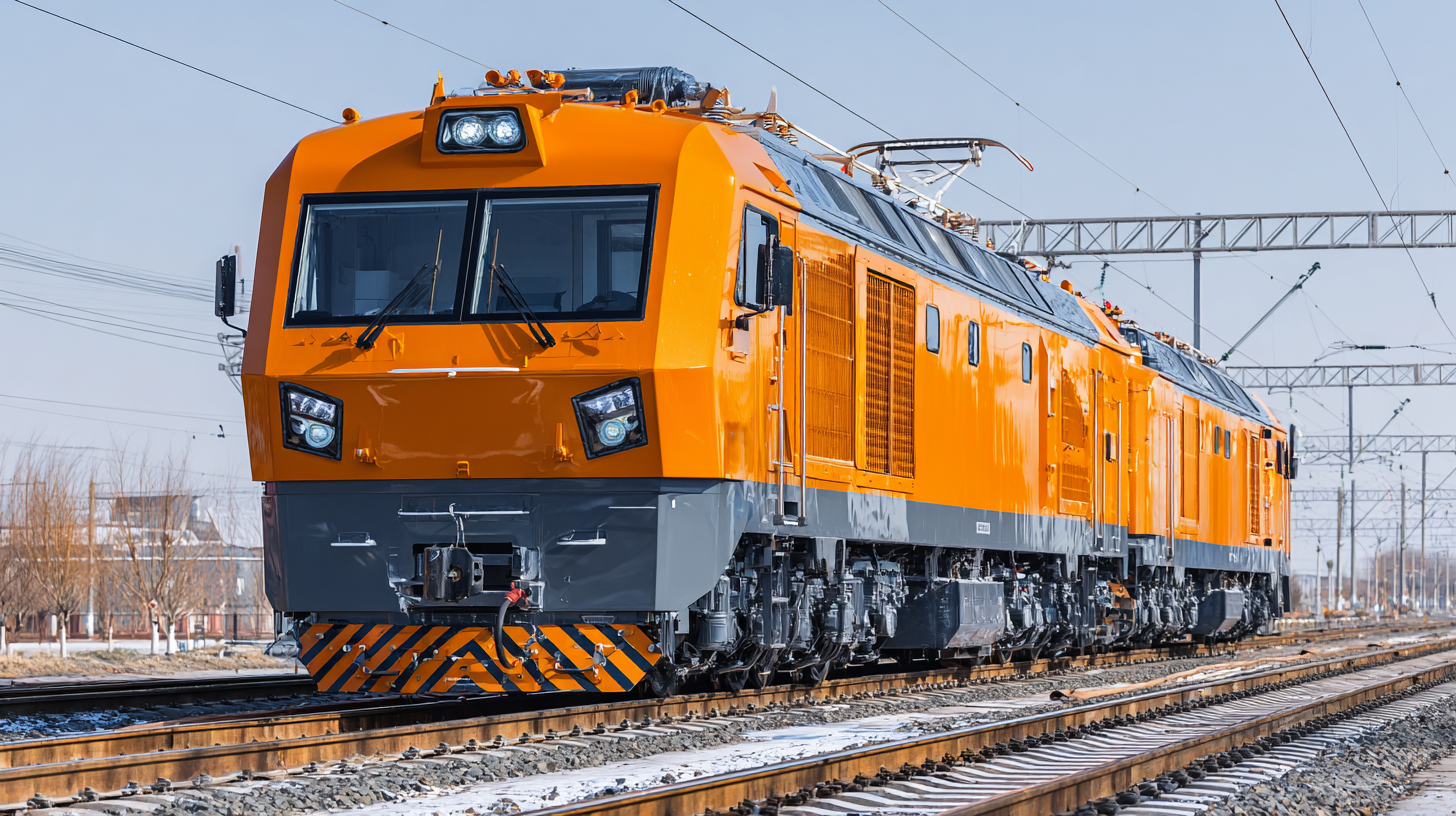
Maximize Your Equipment's Longevity: The Benefits of Using an Anti-Static Isolation Inverter with IP54 Waterproof Protection
In today's rapidly evolving industrial landscape, ensuring the longevity and reliability of equipment is paramount, especially in hazardous environments. The use of an IP54 waterproof and Anti-Static Isolation Inverter stands out as a critical safeguard. Designed specifically for locations prone to explosive gases, this inverter not only provides robust performance but also enhances safety, making it indispensable for industries such as petrochemical and coal mining. Reports indicate that improper handling of static electricity can lead to over 70% of industrial accidents; this emphasizes the need for effective solutions like anti-static technology.
The IP54 rating signifies that the inverter is dustproof to level 5 standards and waterproof to level 4. This dual protection is crucial in maintaining the integrity of the equipment, as dust accumulation can lead to poor heat dissipation and potential short circuits, while moisture exposure can significantly impair operation. According to industry studies, machinery failing due to dust ingress can incur repair costs upwards of 25% of the initial equipment investment. By utilizing an inverter with strong dust and water resistance, companies can decrease unexpected downtimes and prolong equipment life, ultimately leading to a reduction in operational costs.
Moreover, the advanced anti-static design employed in these inverters actively dissipates static electricity, mitigating the risk of electric sparks that can ignite flammable substances. Coupled with multiple safety mechanisms, including leakage and short-circuit protections, the inverter significantly lowers the risk of catastrophic incidents. In environments where even micro-level static can trigger explosions, employing such protective measures is not just beneficial, but essential. Industry experts predict that the adoption of high-security electrical equipment could reduce explosion-related incidents by nearly 30%, reinforcing the value of investing in technology that prioritizes safety and longevity.
FAQS
: The railway traction inverter market is projected to reach USD 8.34 billion by 2034.
The growth is driven by ongoing railway electrification, which demands more efficient and reliable power solutions.
Inverters convert electrical energy, allowing locomotives to manage power supply effectively, improving energy efficiency and reducing operational costs.
Digitalization enhances grid reliability and efficiency, significantly impacting locomotive traction inverters by enabling them to adapt to increased renewable energy sources.
Engineers face challenges such as integrating new designs with existing infrastructure, ensuring compatibility between components from different suppliers, and extensive retrofitting requirements.
Traction inverters must perform optimally across diverse environments, including extreme temperatures and high humidity, necessitating rigorous testing and development.
Proper thermal management is essential to prevent overheating, which can lead to system failures and safety concerns, impacting the operational lifespan and reliability of inverters.
Companies are focusing on hybrid renewable energy systems that integrate solar and wind technologies with advanced traction inverters to improve sustainability.
Methodologies such as the usage of large language models are being explored to streamline circuit design processes for locomotives and electrified transport systems.
The overarching goals include optimizing performance, enhancing sustainability, and meeting future energy demands while minimizing environmental impacts.