When you're looking to pick out a Shore Power Converter, it's super important to really understand what you actually need. I remember Tom Harrison from Marine Power Solutions once said, “Choosing the right Shore Power Converter can really make or break your on-the-water experience.” Honestly, that just shows how crucial it is to make an informed choice.
Having a good Shore Power Converter isn’t just about convenience—it’s about safety and making sure your boat runs smoothly. The market’s pretty packed with options, and yeah, that can make picking the right one feel overwhelming. You’ve got to consider things like wattage, input voltage, and whether it’ll fit with your boat’s setup. Each little detail can affect how well it works and how long it lasts.
Thinking about what you really need is key. A lot of folks make the mistake of underestimating how much power they’ll actually use, and then they end up regretting it later. Also, if you go for reputable brands, chances are they’ll be more reliable in the long run. Spending a bit of time on research now can save you headaches down the road and give you peace of mind that everything will run smoothly.
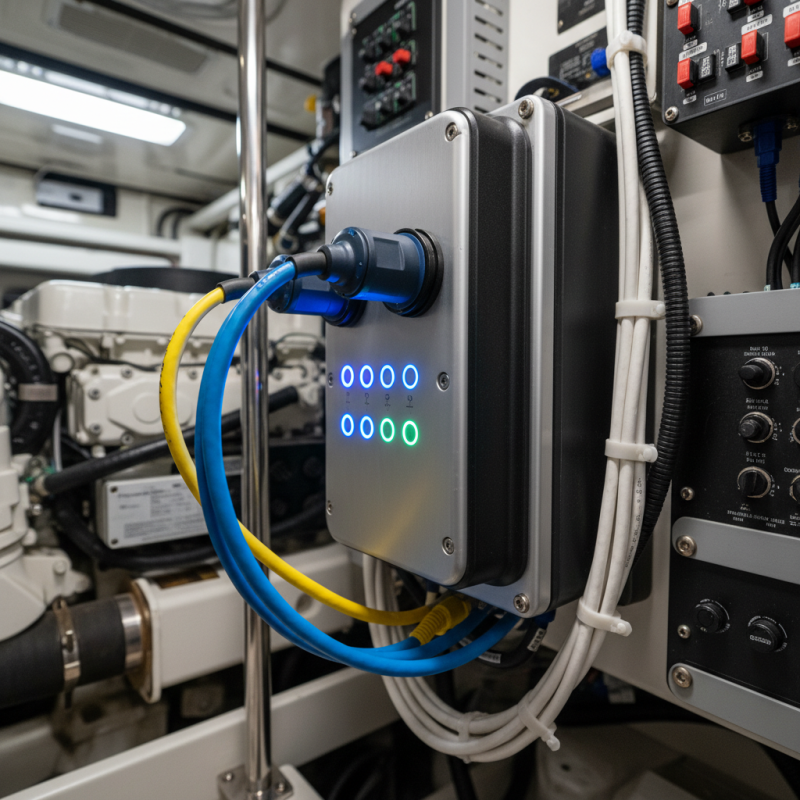
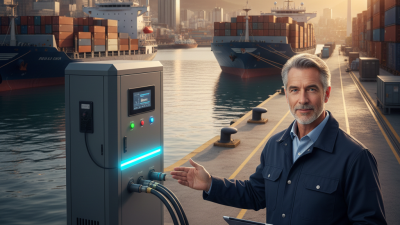
Shore power converters play a crucial role in marine environments. They allow vessels to connect to land-based power sources. This helps reduce emissions and noise pollution while in the harbor. When a boat is tied up, it can rely on shore power for all its electrical needs. This includes lights, appliances, and HVAC systems. Utilizing shore power keEPS the onboard generator from running constantly.
Understanding how to choose the right converter is essential. Each vessel has unique power requirements. A converter must meet those specific needs. Insufficient power can lead to system failures and discomfort. On the flip side, an oversized converter may lead to inefficiencies. It’s vital to assess your usage patterns carefully. Knowing the equipment that’ll be powered helps in making informed choices.
Additionally, installation plays a key role in performance. An inadequately installed converter can result in safety hazards or operational issues. Understanding electrical systems is beneficial. Consulting with professionals can provide valuable insights. They can guide you through the process. Consider looking into safety ratings and certifications. This ensures that the equipment meets established standards.
| Feature | Description | Importance |
|---|---|---|
| Voltage Compatibility | Ensure the converter matches the voltage requirements of your vessel's electrical system. | Critical for safe and efficient operation. |
| Power Rating | Measure the total power requirement of on-board appliances and electronics. | Prevents overload and equipment damage. |
| Size and Weight | Consider the physical dimensions and weight to ensure ease of installation. | Affects installation space and portability. |
| Efficiency Rating | Look for converters with high efficiency to save energy and reduce costs. | Lower operational costs over time. |
| Cooling System | Assess whether the converter has an adequate cooling mechanism to prevent overheating. | Ensures longevity and reliability of the converter. |
| Safety Features | Check for built-in protections against overload, short circuit, and surge. | Vital for protecting your equipment and ensuring safe operations. |
When selecting a shore power converter, understanding your specific power requirements is crucial. Each vessel has different energy needs, and knowing those can prevent system overloads. Assess the total wattage your onboard equipment will consume. This includes everything from lighting to appliances and battery chargers.
Don’t overlook the starting wattage of larger appliances. They often require more power when initiated. Creating a detailed list of your electronics will clarify your needs. It’s easy to miss smaller items that still contribute to overall consumption. Think about your usual activities while berthed. Do you use air conditioning or heating? Factor those into your calculations.
Consider future needs as well. As your setup evolves, so will your power demands. Reflect on what you'd like to add later. It’s wise to choose a converter that supports higher capacities than you currently use. This forethought reduces the chances of needing a replacement soon. Keeping these considerations in mind provides a trusted pathway to finding the best shore power converter for your specific needs.
When evaluating different types of shore power converters, understanding their specifications is crucial. Shore to Ship Power Converters enable vessels to connect to the electrical grid, significantly reducing emissions. According to a study by the International Maritime Organization, switching to shore power can cut fuel consumption by up to 30%. This data underscores the importance of selecting the right converter.
Consider the voltage and frequency specifications. Most converters operate at 400Hz or 60Hz, depending on the vessel’s needs. Mismatched frequencies can lead to inefficiencies and potential equipment damage. Additionally, the size and weight of the converter are essential factors. Larger units might offer more power but can reduce portability. In contrast, compact designs are easier to install but may limit functionality.
Another aspect to notice is the protection features. Quality converters include overcurrent and voltage protection. This helps prevent damage to both the ship and the shore power unit. Feedback from users often highlights the importance of reliable performance under varying weather conditions. There have been instances where inadequate converters led to power failures, causing operational delays. Such experiences remind us that investing in a high-quality Shore to Ship Power Converter is not just a choice but a necessity.
Choosing the right shore power converter is crucial for vessel owners. When selecting a shore power converter, consider the wattage output. A strong unit can handle high-demand appliances. Check the compatibility with your vessel’s electrical system. Some units might not support specific voltage levels. Incompatible systems could lead to inefficiencies and damage.
Look for safety features such as overcurrent protection and surge protection. These features protect both the shore power converter and your onboard devices. Additionally, ease of installation matters. A user-friendly design can save time and reduce potential errors during setup.
Consider the physical size and weight of the converter. A compact unit might better suit limited spaces on smaller vessels. Portability can also be an asset, making it easy to transport between locations. Reflect on your future needs, too. A converter with more flexibility can adapt as your power requirements change. Think about these factors carefully to ensure a wise investment in your shore power system.
When selecting a shore power converter, it’s essential to explore various brands and models. Each brand has its unique features and capabilities, which can significantly impact your experience. Consider the power output, efficiency, and build quality when comparing options. Look for user reviews and expert ratings to gauge reliability.
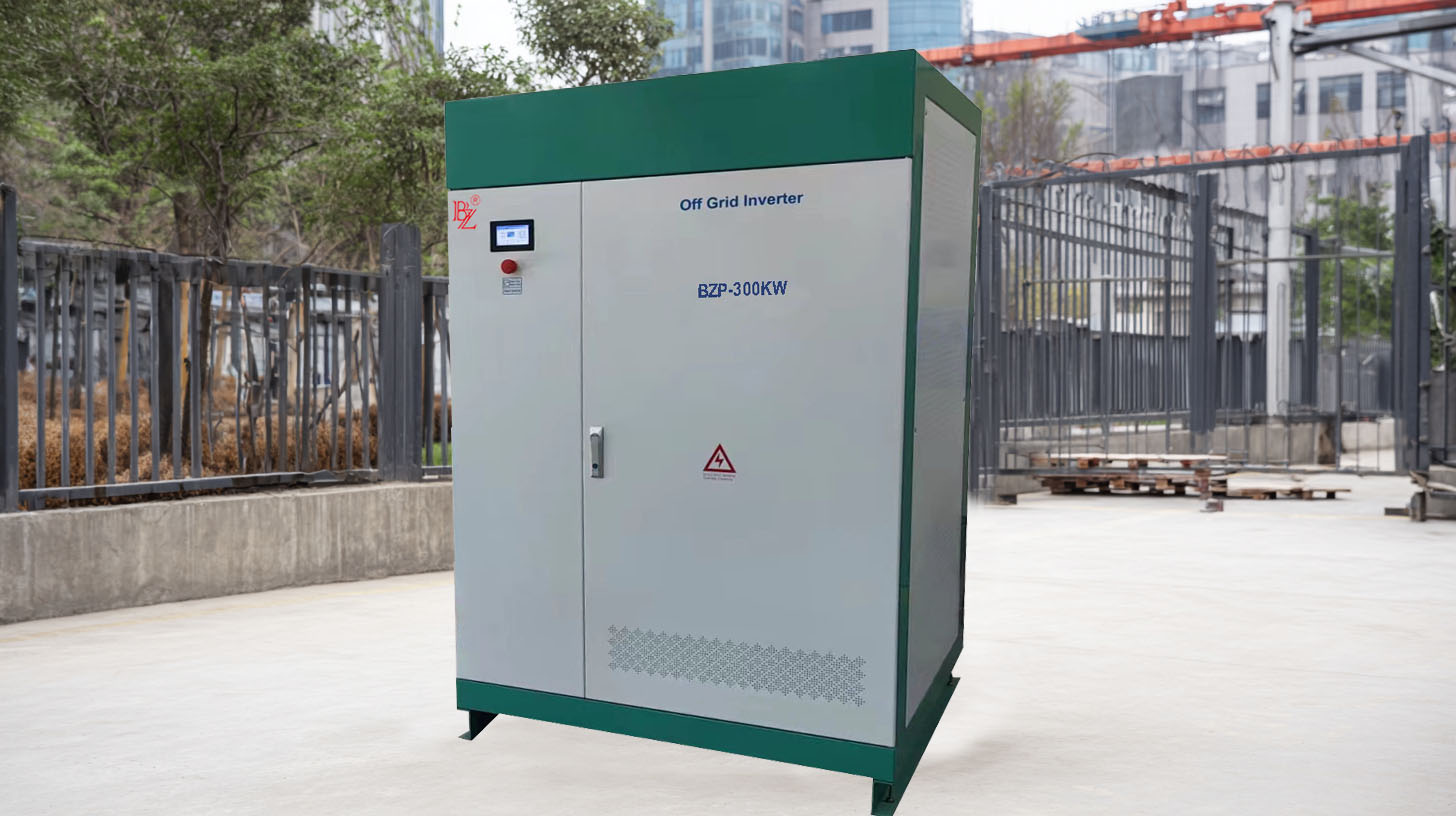
Not all shore power converters are created equal. Some may lack essential features, while others may offer advanced technology. For example, a Power Phase Converter can enhance power distribution and efficiency. However, ensure it matches your specific needs. A converter that works well for one vessel may not be ideal for another.
Pay attention to customer support and warranty options offered by different brands. Good support can make a difference if issues arise. Reviews often highlight experiences with after-sales service. Remember, investing in a quality shore power converter pays off in the long run, even if initial costs seem high. Each aspect requires reflection to ensure you make the best choice for your unique needs.
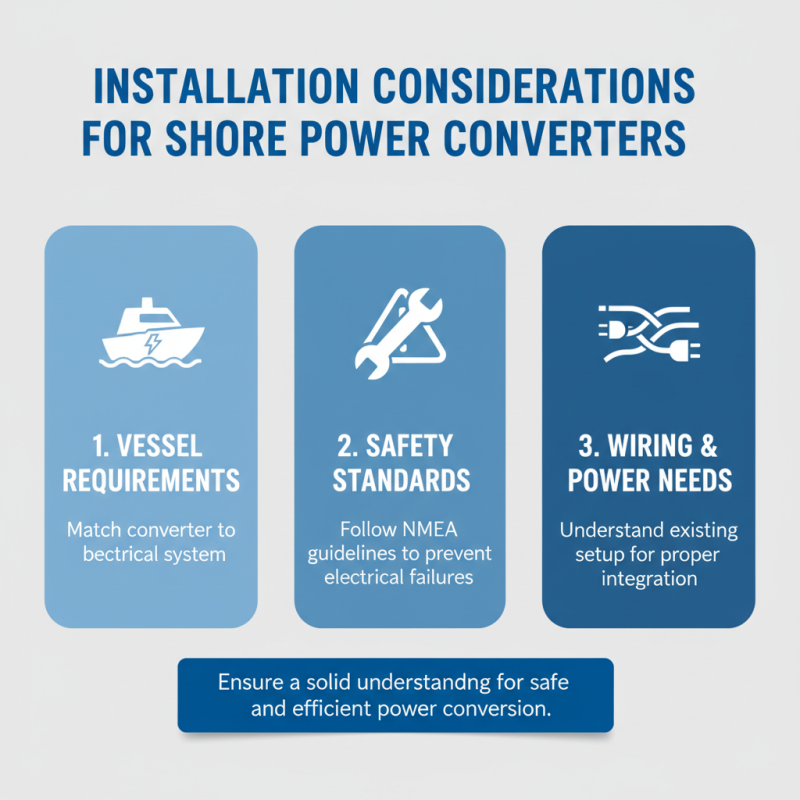
When selecting a shore power converter, installation considerations are crucial. The choice of converter should reflect the specific requirements of your vessel and its electrical system. For example, the National Marine Electronics Association indicates that improper installation can lead to electrical failures or safety hazards. Ensuring a solid understanding of your existing wiring and power needs is essential.
Proper sizing of the converter can mitigate risks. According to industry studies, a mismatch between the vessel’s power demand and the converter’s capacity can cause overheating and inefficient power usage. Many experts recommend factoring in future power expansions when selecting the unit. This forward-thinking approach can prevent additional installation costs down the road.
Placement of the converter also affects performance. It should be installed in a dry, ventilated area to prevent moisture damage. The ideal installation height can vary, but maintaining accessibility for maintenance is vital. Additionally, it’s important to use quality connectors and wiring that can handle higher voltage and current levels. Following recognized safety standards protects your investment and assures reliable service for years.
To maintain your shore power converter effectively, regular inspections are vital. These devices work under heavy loads, making them susceptible to wear and tear. Basic checks should include assessing cable connections, ensuring they are free from corrosion and securely fastened. The State of the Marine Industry Report indicates that 30% of marine equipment failures stem from poor maintenance.
Cleaning the converter regularly is also crucial. Dust and debris can hamper its performance, leading to overheating. A simple routine of wiping down surfaces can extend the life of these units. According to research, timely maintenance can enhance efficiency by up to 25%, directly impacting fuel economy.
Keep in mind that routine updates are essential. Industry studies suggest that failing to upgrade firmware can result in suboptimal functionality. Adopting a proactive maintenance schedule not only ensures safety but also reliability. For those using a Power Frequency Converter, understanding operational limits is key. Overloading can significantly reduce the converter's lifespan, emphasizing the need for educated usage.
: Knowing power needs prevents system overloads and helps allocate sufficient energy for all onboard equipment.
Include all equipment, from lighting to appliances and battery chargers, remembering to factor in starting wattage.
Create a detailed list of all electronics and reflect on your usual activities while berthed. Consider air conditioning too.
Yes, consider future additions. Choose a converter that can handle higher capacities than your current demands.
Focus on voltage, frequency, size, weight, and protection features, as these affect performance and safety.
Mismatched frequencies may lead to inefficiencies and potential damage to equipment, causing operational issues.
Reliable performance under changing conditions is necessary. Poor converters can lead to power failures and delays.
Analyze power output, efficiency, build quality, and user reviews to ensure reliability and suitability for your needs.
Good support can be crucial if problems occur. Experiences with after-sales service often influence overall satisfaction.
Yes, although the initial costs may seem high, a quality converter will save you from issues and costs in the long run.
Choosing the best Shore Power Converter involves a clear understanding of its importance in connecting your vessel to shore power sources. It is essential to identify your specific power requirements based on your onboard systems and operational needs. Various types of Shore Power Converters are available, including those tailored for different voltage and frequency specifications, which makes evaluating the right type critical for effective performance.
When selecting a Shore Power Converter, consider key features such as safety mechanisms, efficiency ratings, and ease of installation. Comparing multiple brands and models helps to identify the best fit for your requirements. Additionally, proper installation and regular maintenance are vital to ensure the converter operates optimally, extending its lifespan and performance. Ultimately, investing time in selecting and caring for your Shore Power Converter enhances your marine experience significantly.